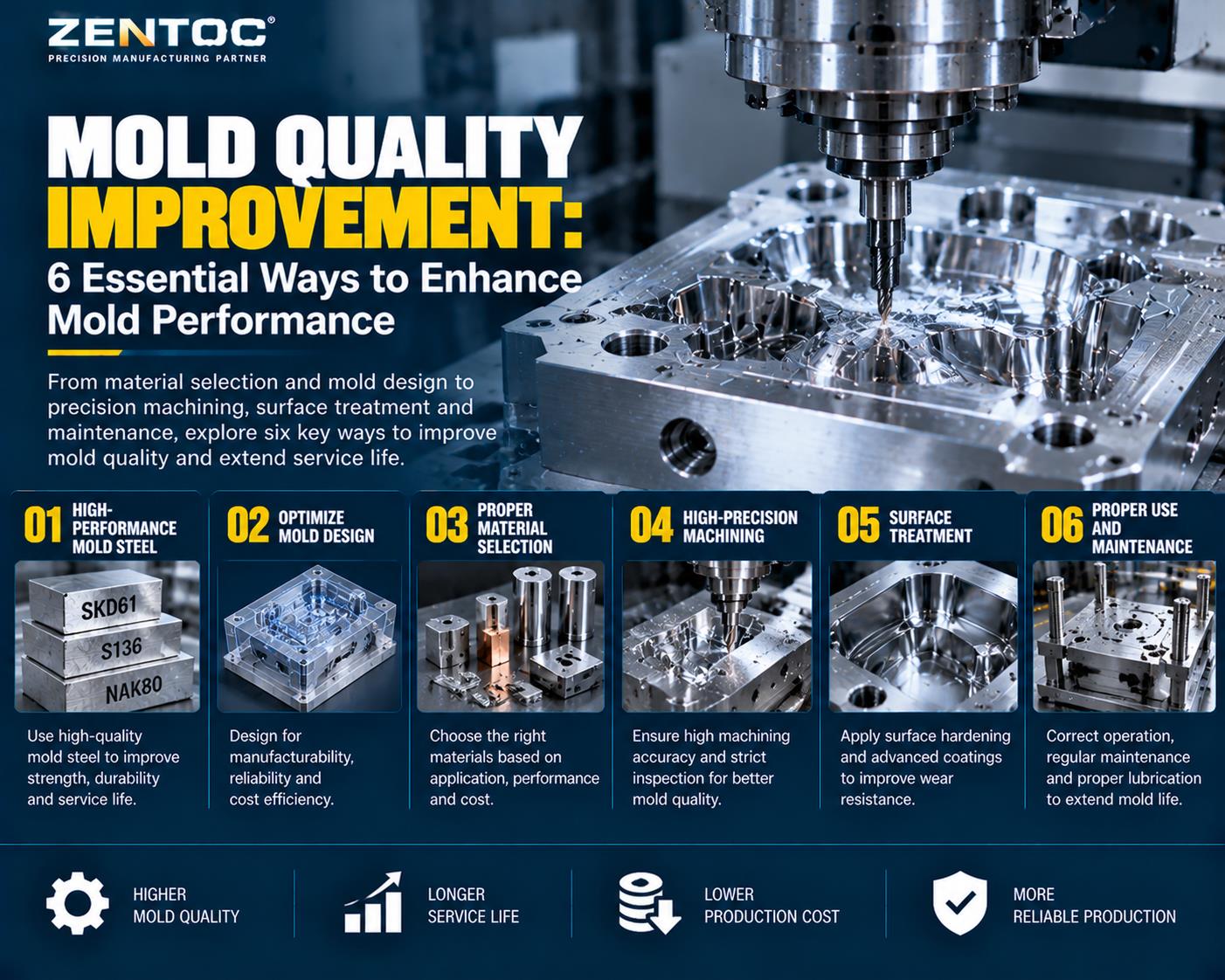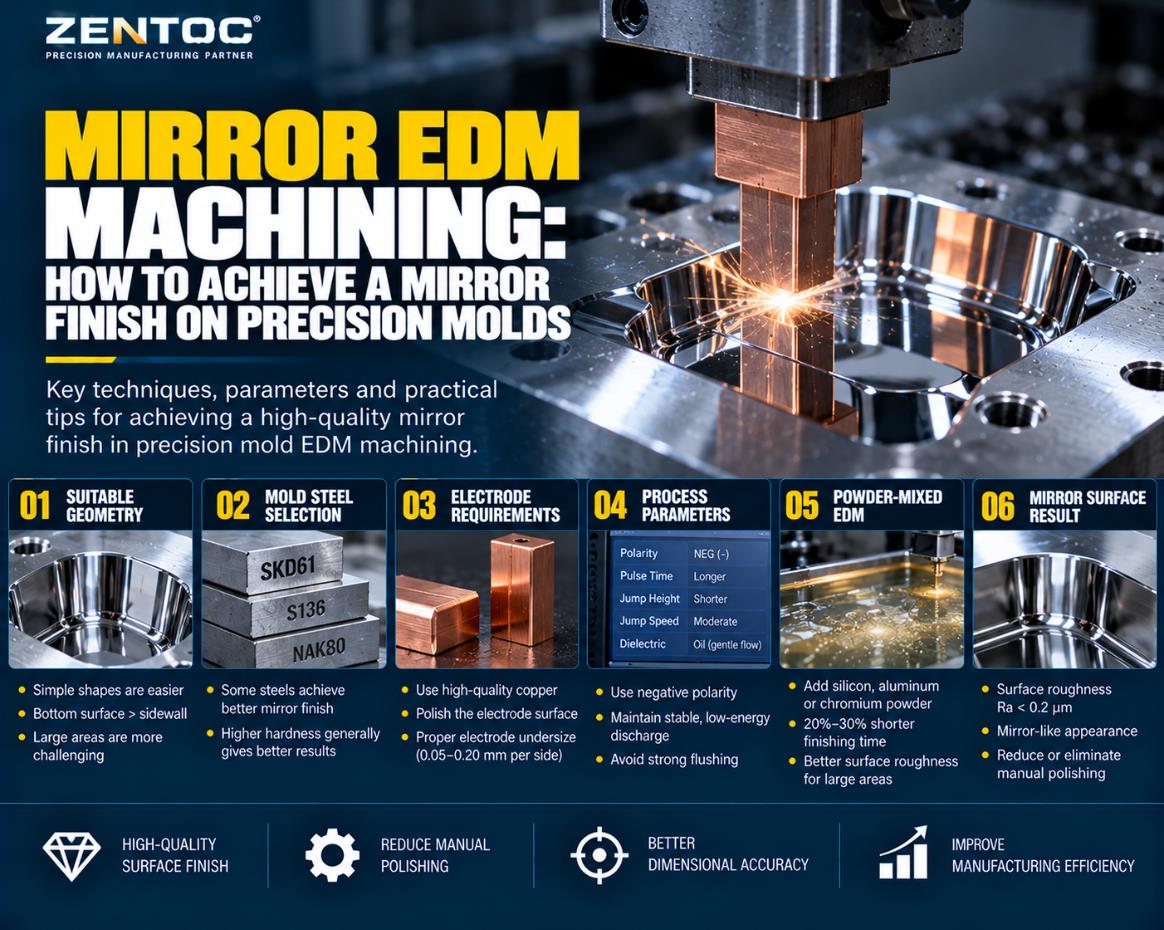
Ultra-precision molds are the foundation of high-quality electronics, automotive parts, medical devices and consumer products. Advanced equipment matters, but micron-level accuracy begins with a precision-focused engineering mindset applied throughout design, machining, assembly and validation.
Every decision - from material selection and fit clearance to temperature control and final tryout - contributes to mold stability, repeatability and service life.
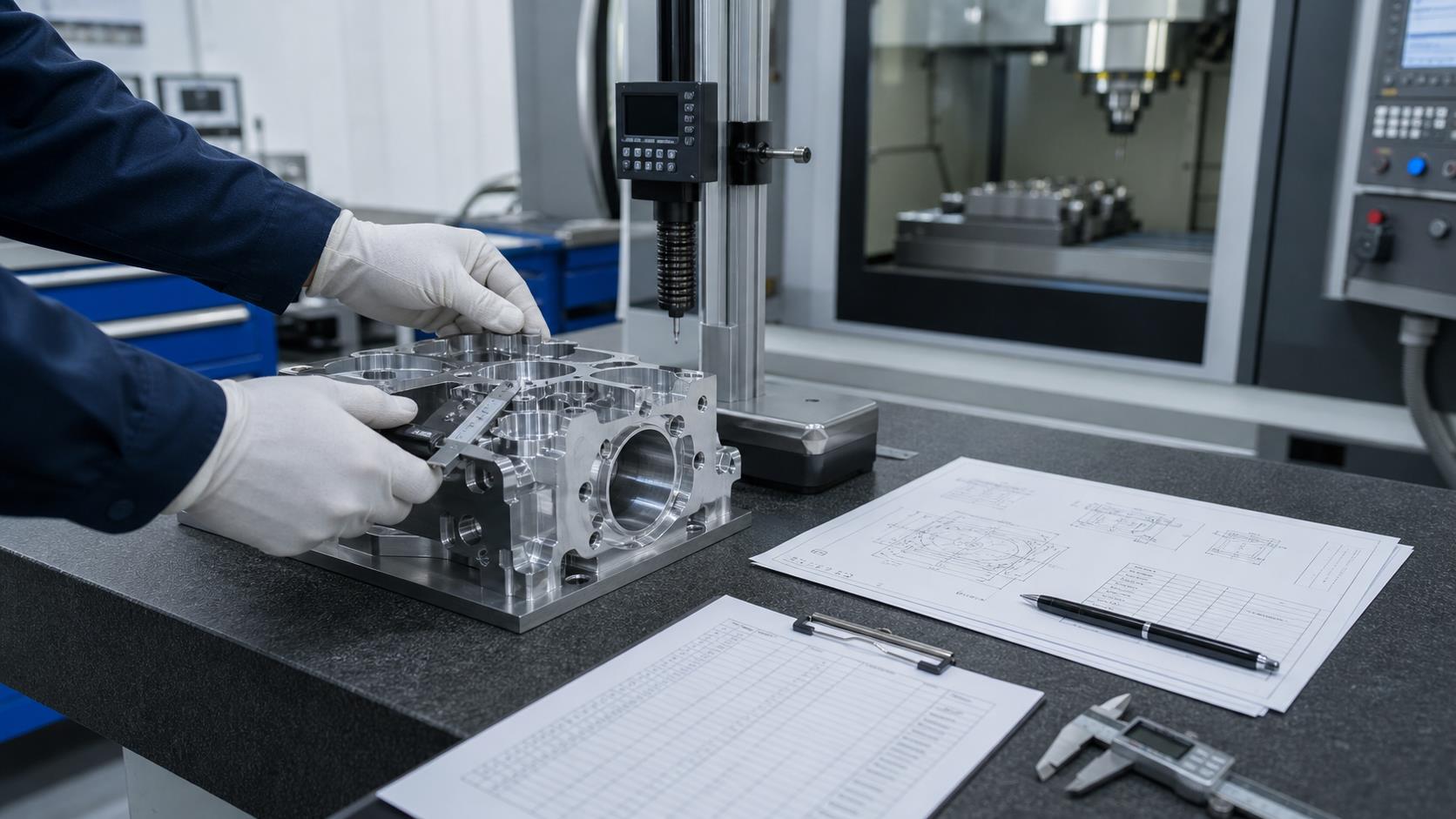
1. Precision Starts with the Right Mindset
Precision is not produced by sophisticated machines alone. It comes from disciplined engineering, controlled procedures and attention to detail across product analysis, mold design, material selection, machining, assembly, trial production and continuous improvement.
2. High-Speed Stamping Dies: A Precision Benchmark
High-speed progressive dies for smartphone parts and electronic connectors process extremely thin stainless steel and aluminum alloy strip. Small dimensional errors can immediately affect product quality, die life and production stability.
| Typical characteristic | Reference value | Manufacturing challenge |
|---|---|---|
| Stainless steel thickness | 0.08 to 0.20 mm | Requires stable feeding, support and edge quality |
| Punching clearance | As small as 0.008 mm | Demands accurate alignment and insert geometry |
| Minimum punched-hole width | 0.25 mm | Requires rigid micro-punch structures |
| Component tolerance | Only a few microns | Requires control across the complete process chain |
3. Precision Mold Design Is the Foundation
Critical Design Controls
Tungsten carbide punches and inserts
Precision-ground pockets and locating holes
Sliding fits of 0.005 to 0.010 mm
Non-sliding fits around 0.003 mm
Critical tolerances within +/-0.002 mm
Stability Features
Ball-bushing precision guide pillars
Independent micro-punch modules
Equal-height support blocks
Self-lubricating graphite guides
Bonded guide bushings
Reduced press stroke and reinforced punches
Each feature aims to increase alignment accuracy, rigidity, wear resistance and repeatable performance over long production runs.
4. Advanced Machining Makes Precision Possible
After heat treatment, mold plates may undergo deep cryogenic stress relief to reduce residual stress and minimize later distortion. Precision grinding and electrical-discharge processes then translate the design into accurate components.
Surface Grinding
Creates accurate reference surfaces, with typical flatness and parallelism controlled within 0.005 mm.
EDM
Produces critical cavities and features with dimensional accuracy around +/-0.002 mm.
Wire EDM
Creates intricate profiles and insert geometry with tolerances as tight as +/-0.0015 mm.
5. Temperature Control Is Critical
Even advanced machine tools cannot eliminate thermal expansion. Steel expands approximately 12 micrometers per meter for each 1 degree C temperature increase, which can exceed the allowable error of micron-tolerance parts.
| Environmental control | Typical target | Purpose |
|---|---|---|
| Workshop temperature | 20 degrees C | Provides a stable dimensional reference |
| Short-term fluctuation | Below 0.5 degrees C per hour | Limits measurement and machining drift |
| Facility temperature control | Approximately +/-1 degree C | Supports consistent accuracy across operations |
6. Precision Assembly Is as Important as Machining
Accurate components do not automatically produce an accurate mold. Skilled technicians must preserve design intent during fitting, alignment and tryout.
Review drawings, product specifications and design intent.
Inspect, deburr, polish, engrave and mark every component.
Clean plates and protect finished surfaces from corrosion.
Install guide pillars using dedicated alignment fixtures.
Measure plate thickness at multiple points, limiting variation to less than 0.005 mm.
Match punches and inserts individually for smooth assembly.
Run trials and fine-tune with optical measuring equipment.
Correct inserts in increments as small as 0.003 mm when required.
7. The Three Essential Stages
1. Precision Mold Design
Defines performance, manufacturability, alignment strategy and expected service life.
2. Precision Machining
Converts design intent into highly accurate, stable and wear-resistant components.
3. Assembly and Tryout
Integrates components into a functional die and validates performance through careful adjustment.
None of these stages can compensate fully for neglect in another. Micron-level performance depends on the complete engineering system.
Precision Is Built Through Engineering Culture
Design engineers establish the solution, machining specialists create accurate components and assembly technicians bring the mold to life. A shared culture of precision connects these roles and ensures that standards remain consistent from planning through production.
Frequently Asked Questions
Can advanced CNC machines alone produce a 1-micrometer precision mold?
No. Equipment capability must be combined with precision design, thermal control, stress management, accurate measurement, disciplined assembly and careful tryout.
Why is tungsten carbide used in precision stamping dies?
Its high hardness and wear resistance help micro-punches and die inserts maintain geometry during high-speed, high-volume production.
Why does workshop temperature matter?
Thermal expansion changes component size. At micron-level tolerances, even a small temperature variation can exceed the permitted dimensional error.
Which process offers the tightest stated machining tolerance?
In this guide, wire EDM is cited at approximately +/-0.0015 mm, compared with about +/-0.002 mm for critical EDM work.
What is the role of mold tryout?
Tryout validates the assembled mold under production conditions and allows technicians to fine-tune alignment, clearance and insert performance.
Conclusion
Manufacturing a 1-micrometer precision mold requires more than sophisticated equipment. It demands precision-driven design, ultra-accurate machining, strict environmental control, meticulous assembly and an organization-wide commitment to engineering excellence.
Integrating these principles enables manufacturers to produce high-performance molds with exceptional accuracy, reliability and long service life for electronics, automotive, medical and precision-engineering applications.
Tolerance and environmental values are application-dependent and should be validated against the actual mold design, material, equipment and inspection method.