Many people believe that CNC cutting tools used in machining centers should always be as sharp as possible. So why are cutting edges intentionally “blunted” through a honing process?
In fact, tool edge honing does not simply make a cutting tool dull. It creates a controlled, consistent edge that improves tool quality, cutting stability, and service life. By removing burrs, polishing critical surfaces, and strengthening the cutting edge, honing helps modern CNC tools perform more reliably under demanding machining conditions.
What Is Tool Edge Honing?
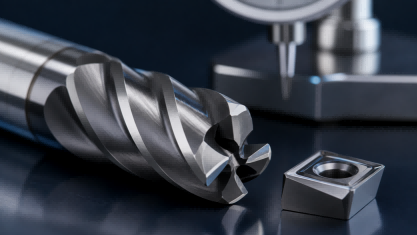
Tool edge honing is a precision finishing process that removes grinding burrs, smooths microscopic irregularities, and creates a controlled radius along the cutting edge. The objective is to improve edge quality and extend tool life without sacrificing the cutting performance required by the application.
It is normally performed after precision grinding and before coating. Terminology varies by region and industry, but the process is also known as:
Cutting edge preparation
Edge strengthening
Edge rounding or edge radiusing
ER (Edge Radiusing) treatment
Key point: A properly honed edge is not randomly rounded. Its shape and radius are controlled according to the tool material, coating, workpiece, and cutting application.
Why Do Cutting Tools Need Edge Honing?
After grinding with conventional or diamond wheels, a cutting edge can contain microscopic defects that are difficult to see with the naked eye. Typical defects include tiny chips, cracks, burrs, and irregular serrations.
During machining, these imperfections act as stress concentration points. Repeated cutting loads can cause them to expand, accelerating wear and increasing the risk of premature chipping or tool failure.
Modern high-speed machining and automated CNC production require greater tool performance, consistency, and reliability. Coated tools especially benefit from correct edge preparation because a clean and uniform substrate helps the coating adhere more effectively and perform more consistently.
Purpose of Cutting Edge Preparation
The main purpose of honing is to eliminate or reduce microscopic defects left by grinding. A controlled edge radius distributes mechanical and thermal loads more evenly, making the edge less likely to chip under interrupted or demanding cutting conditions.
The ideal preparation balances three important characteristics:
Sharpness for efficient material removal
Strength to withstand cutting loads
Durability for predictable tool life
Consistency from one cutting edge to another
Main Benefits of Tool Edge Honing
1. Edge Rounding and Burr Removal
Edge honing removes burrs and creates a precise, repeatable edge radius. Grinding burrs and micro-serrations can accelerate wear, initiate edge chipping, and negatively affect the surface finish of machined components.
After honing, the cutting edge becomes smoother and structurally stronger. This helps reduce micro-chipping, stabilize cutting performance, and improve workpiece surface quality.
2. Polishing of Chip Flutes
Polishing flute surfaces reduces friction and improves chip evacuation. The smoother the flute surface, the more efficiently chips can leave the cutting zone, supporting higher cutting speeds and more stable machining.
A polished flute also reduces the risk of workpiece material adhering to the tool. In suitable applications, optimized flute polishing can significantly reduce cutting forces and help prevent built-up edge.
3. Polishing of the Coating Surface
Some coating processes leave microscopic droplets or raised particles on the tool surface. These irregularities increase roughness, friction, and heat during cutting, limiting performance.
Post-coating polishing smooths these defects and can create a surface that retains cutting fluid more effectively. Better lubrication and reduced cutting temperature support higher productivity, improved chip flow, and longer tool life.
Where Honing Fits in Tool Manufacturing
Edge preparation is a controlled stage in the cutting tool manufacturing process—not an afterthought. A typical sequence is:
Precision GrindingThe tool geometry, flutes, rake faces, and cutting edges are ground to specification.
Edge HoningBurrs and micro-defects are removed, and the required edge radius is produced.
Coating & FinishingThe prepared substrate is coated and may receive final surface polishing.
The correct radius depends on the operation. An edge that is too sharp may chip, while excessive rounding can increase cutting forces and heat. Controlled preparation is therefore essential.
Applications That Benefit from Edge Honing
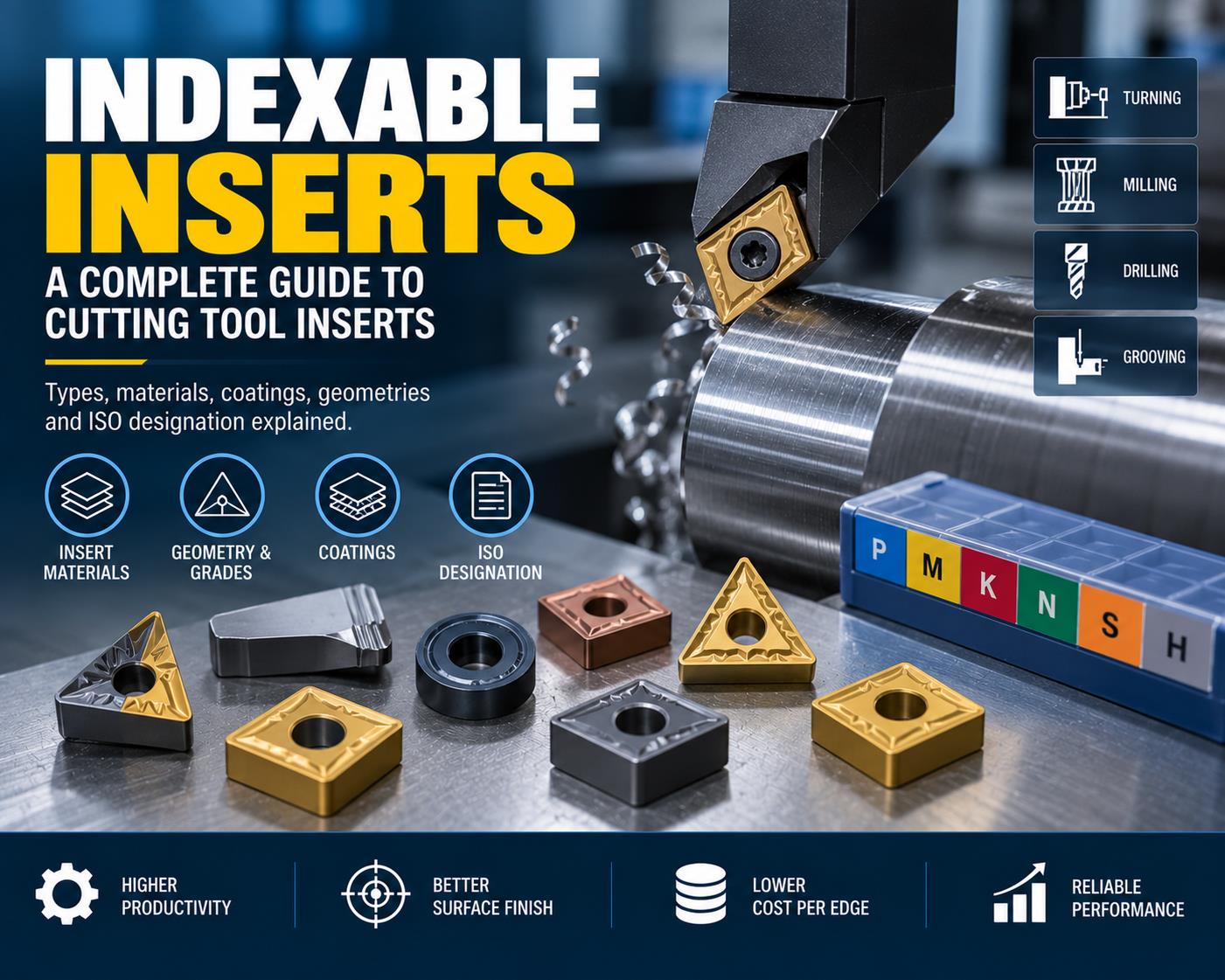
Edge preparation is valuable across many CNC operations, particularly when tools face high cutting loads, abrasive materials, intermittent engagement, or demanding production targets.
High-speed CNC milling and turning
Automated and unattended machining
Machining hardened steels, stainless steels, and cast materials
Interrupted cutting and heavy-duty roughing
Coated carbide cutting tools
Applications requiring consistent surface finish and tool life
Benefits for CNC Machining Performance
Reduced micro-chipping and edge failure
Longer and more predictable tool life
Improved coating adhesion and performance
Smoother chip evacuation
Lower friction and cutting temperature
More stable automated production
Better workpiece surface finish
Greater cutting parameter potential
Frequently Asked Questions
Does edge honing make a cutting tool dull?
No. Proper honing creates a controlled edge radius that balances sharpness and strength. It removes weak microscopic defects rather than simply making the edge blunt.
Is edge preparation necessary before coating?
It is highly important for many coated tools. Removing burrs and creating a uniform substrate can improve coating adhesion, edge consistency, and overall tool performance.
Can all cutting tools use the same edge radius?
No. The optimum radius depends on tool geometry, substrate, coating, workpiece material, cutting parameters, and whether the operation is finishing, roughing, or interrupted cutting.
How does flute polishing improve machining?
A smoother flute reduces friction and makes chip evacuation easier. This can reduce chip adhesion, improve process stability, and support higher cutting performance.
What is ER treatment?
ER means Edge Radiusing. It is another commonly used name for the controlled rounding and preparation of a cutting edge.
Conclusion
Tool edge honing may appear counterintuitive because it slightly modifies a freshly ground cutting edge. However, it does not reduce cutting performance when applied correctly. Instead, it strengthens the edge, removes microscopic defects, improves coating performance and chip evacuation, and makes CNC machining more stable.
For high-speed and automated manufacturing, controlled edge preparation is an essential step toward longer tool life, better surface finishes, and more reliable production.